Quick Stress Relief Insight
Three minutes of deep breathing can lower cortisol levels—try it right now.
Reclaim Calm in Midlife
Stress doesn't have to define your midlife years. Feeling Well After 40 offers evidence-based stress relief habits designed specifically for adults navigating the unique pressures of work, family, and personal growth. Build sustainable routines that fit your real life—not Instagram fantasies.
Discover how many Filipinos in their 40s, 50s, and beyond have found moments of genuine peace and resilience.
Why Stress Relief Habits Matter
Consistent stress management practices deliver measurable improvements across physical health, mental clarity, and relationship quality.
Daily Minimum
Recommended daily practice for noticeable benefits within two weeks
First Changes
Most people report improved sleep and reduced anxiety after one week
Tension Reduction
Average decrease in muscle tension and physical stress symptoms
Lifetime Skill
Once learned, these habits serve you for decades of balanced living
Your 5-Step Daily Habit Framework
A proven sequence that builds stress relief into your natural rhythm, without requiring hours of meditation or lifestyle overhaul.
Morning Intention (2 minutes)
Before checking your phone, set a single intention for the day. This mental anchor reduces reactive stress responses and increases conscious decision-making. Examples: "I will pause before reacting," "I choose calm when things get busy," or "Today I prioritize one peaceful moment."
Breathwork Practice (5 minutes)
Use the 4-7-8 technique: inhale for 4 counts, hold for 7, exhale for 8. This activates your parasympathetic nervous system, shifting your body from stress mode to recovery. Do this mid-morning or when stress peaks. Consistency matters more than duration.
Movement Break (10 minutes)
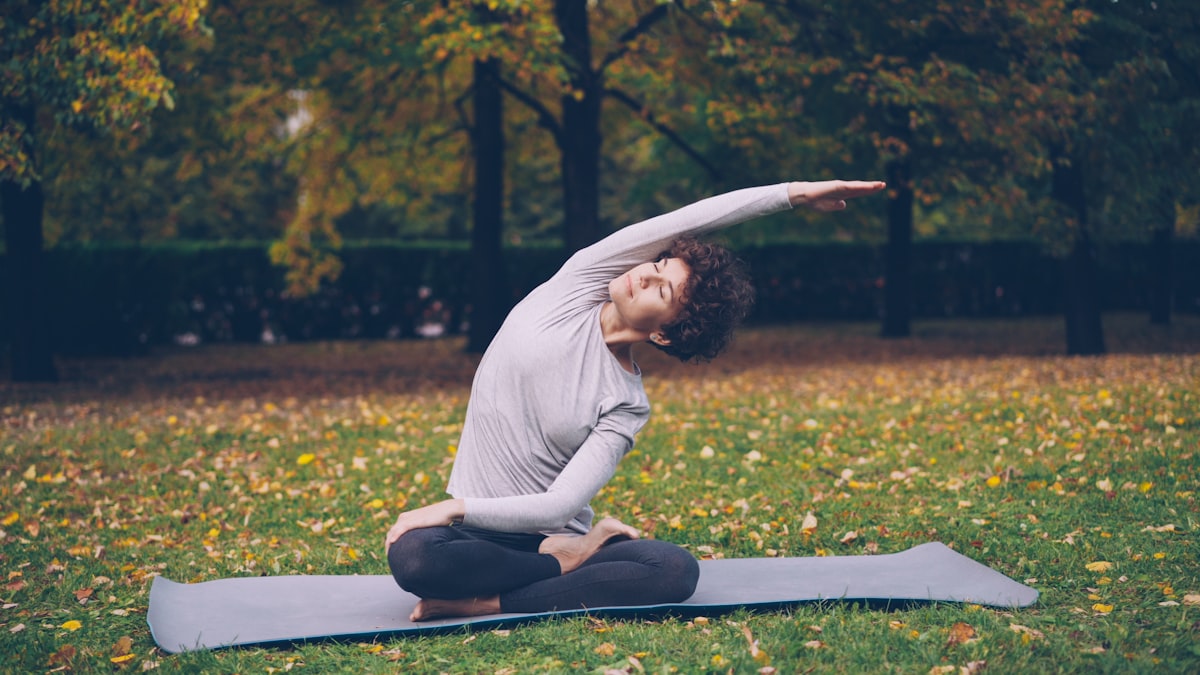
Walk, stretch, or do light yoga—doesn't matter what form. Movement metabolizes stress hormones and resets your mental state. Even a short walk around your neighborhood or a few sun salutations indoors can shift your entire afternoon trajectory.
Mindful Moment (3 minutes)
Pause and notice five things: what you see, hear, feel physically, smell, and taste. This grounding technique brings you fully into the present moment, interrupting worry loops and rumination that fuel stress throughout the day.
Evening Reflection (3 minutes)
Review one moment when you felt calm and one challenge you navigated well. This trains your brain to notice resilience instead of just problems, improving sleep quality and building confidence for tomorrow. Write it down if possible—neurologically, writing consolidates memory.

From Chaotic Mornings to Centered Starts
Most midlife adults wake already stressed—alarm blaring, calendar full, expectations towering. The morning routine transformation doesn't require a 5 AM wake-up or hour-long rituals. Instead, it's about sequence and intention.
One small change: before anything else, write down your morning intention and do three conscious breaths. That's it. In two weeks, people report sleeping better, reacting less to small annoyances, and having more patience with themselves and others. Your physiology shifts. Your nervous system learns that the day doesn't start in crisis mode.
The science is simple: when you calm your body first thing, stress hormones stay lower throughout the day. Work deadlines don't spike your cortisol as high. Family tensions don't hijack your afternoon. You stay grounded because you started grounded.
Discover Daily HabitsEssential Stress Relief Habits
Six core practices that work. Not theory—real techniques used by thousands of midlife adults in the Philippines and beyond.
Conscious Breathwork
Structured breathing techniques activate your parasympathetic nervous system in minutes. Box breathing, 4-7-8 technique, and alternate nostril breathing are practical tools you can use anywhere—at your desk, in traffic, before a difficult conversation.
Best time: When you first notice stress rising, not after you're overwhelmed.
Intentional Movement
Walking, gentle yoga, stretching, or dancing—any movement that feels good. Exercise metabolizes stress hormones and releases endorphins. For busy midlife adults, even 10-minute movement breaks shift mood and mental clarity dramatically.
Best time: Mid-morning or when energy dips in the afternoon.
Mindfulness & Grounding
Presence interrupts worry loops. The 5-senses technique (notice 5 things you see, 4 you hear, 3 you feel, 2 you smell, 1 you taste) anchors you firmly in now. Simple, immediate, and powerfully calming.
Best time: When anxiety rises or before important events.
Healthy Boundaries
Saying no prevents burnout. Setting work hours, phone-free time, and energy limits aren't selfish—they're necessary. Many midlife stress stems from overcommitment. Clear boundaries protect your peace and actually improve relationships through honest presence.
Best time: Before you're exhausted; prevention beats recovery.
Meaningful Connection
Quality time with people you trust reduces stress hormones. Even brief conversations with friends, family, or community members provide emotional regulation and belonging. Not scrolling alone—actual connection.
Best time: Weekly; consistency matters more than intensity.
Quality Sleep & Rest
Sleep is not a luxury—it's when your body processes stress and repairs itself. A consistent bedtime, dark room, and phone-free hour before sleep dramatically improve both sleep depth and daytime stress resilience.
Best time: Every night; consistency beats occasional long sleeps.
Real Stories from Midlife Adults
How people in their 40s and 50s have reclaimed peace through consistent stress relief habits.
"I started the morning routine three weeks ago. I feel calmer, sleep better, and have more patience with my kids. The 5-step framework fits my life perfectly—I'm not meditating for hours, just 15 minutes thoughtfully structured. This actually works."
Maria Santos
Quezon City
"At 52, I thought stress and insomnia were just part of aging. The breathwork practice changed everything. I use it before client calls, and it genuinely keeps me calm. My partner says I'm more patient. The evening reflection habit is gold—I sleep better knowing I handled hard things well."
Roberto Gonzales
Manila
"I'm a busy mom at 47 and always felt guilty not doing 'enough' for myself. The 10-minute movement break became my favorite thing. A walk around the neighborhood feels restorative instead of one more task. I notice I make better decisions at work when I'm not running on empty stress."
Angela Reyes
Cebu
"The boundaries habit was honestly what I needed most. I learned to protect my evening hours and say no to extra commitments. My stress didn't disappear, but my capacity to handle it got so much better. I feel like myself again instead of a reaction machine."
James Tan
Davao
Common Questions About Habit Building
Practical answers about stress relief habits, consistency, and real-world implementation.
The complete 5-step framework takes about 23 minutes total—2 minutes intention, 5 minutes breathwork, 10 minutes movement, 3 minutes grounding, and 3 minutes reflection. But you can start with just the morning intention and evening reflection (5 minutes) and build from there. Most people find it becomes second nature after two weeks, like brushing teeth.
Start Your Stress Relief Journey Today
The 5-step daily framework is designed specifically for busy midlife adults. No philosophy, no guilt—just practical habits that fit real life. Read our detailed habit guides, explore mindfulness techniques, and discover how to build sustainable peace into your everyday routine.